

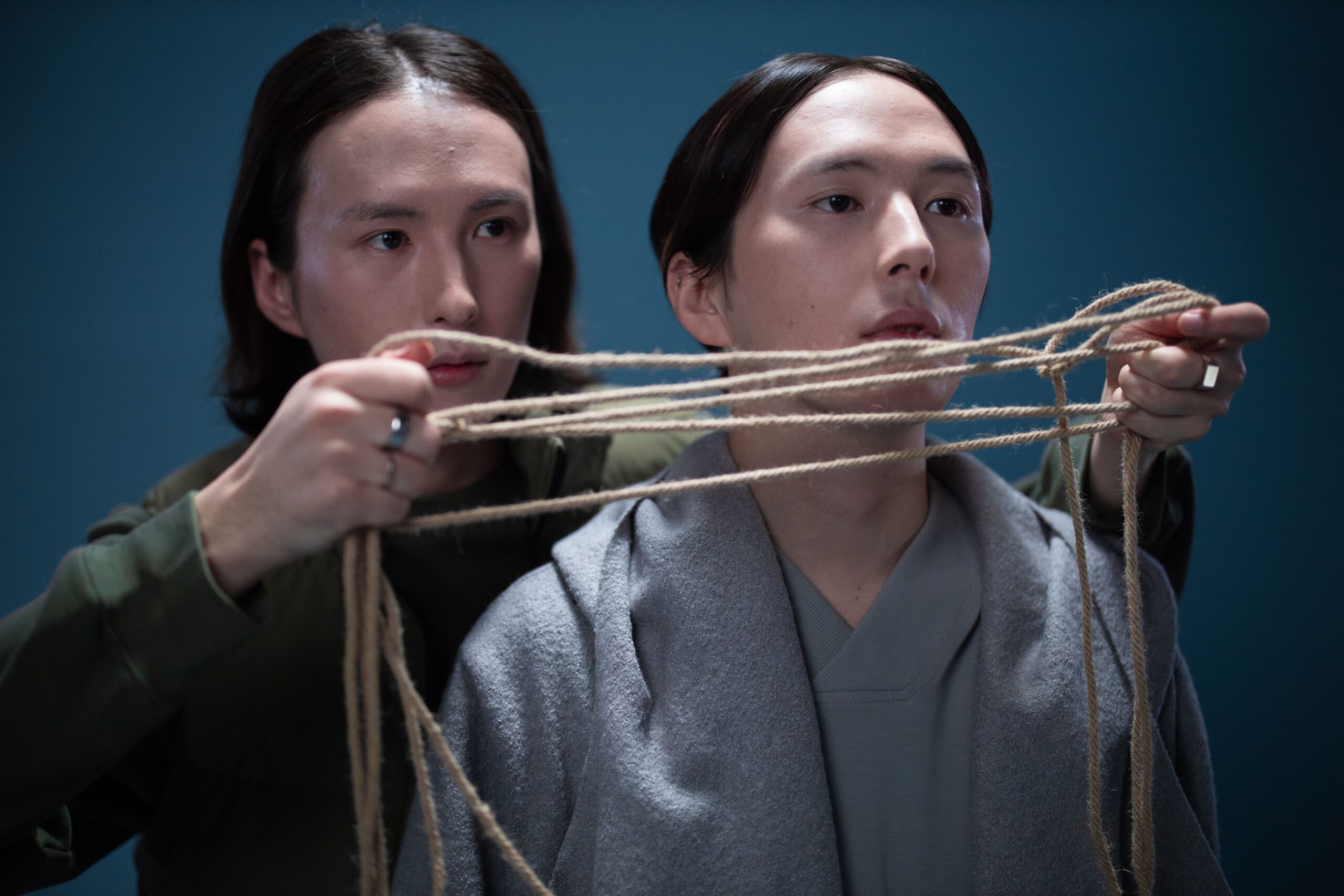
The ancient art of Japanese rope patterns, or shibari, has evolved from its origins in martial arts to become a powerful symbol of trust dynamics in intimate bonding. These intricate designs, once used as a form of restraint, now carry a deeper meaning that speaks to the complexities of human relationships.
Understanding Japanese Rope Patterns
Japanese rope patterns, known for their aesthetic beauty and symmetry, offer more than meets the eye. The careful craftsmanship of each knot and design reflects a meticulous attention to detail, whereby the process of tying becomes a meditative ritual itself. Such intricacies align with intense power exchange dynamics observed in intimate relationships, where trust and consent are pivotal.
The Symbolism Behind the Bond
The connection between rope and partner represents a profound level of trust and vulnerability. As each knot is tied, a silent agreement is formed, echoing the themes found in first-time submissive experience stories where exploring new emotional territories requires courage and faith in one’s partner. The rope becomes an extension of the participants’ trust, a bridge between physical restraint and emotional release.
Modern Interpretations and Connections
Today, shibari not only serves as an artistic expression but also as a therapeutic practice that strengthens partnerships by emphasizing communication and boundaries. The deliberate nature of the practice fosters a deeper understanding of one’s partner, much like the shared experiences in other forms of intimate exploration and roleplay.
Incorporating Japanese rope patterns into intimate bonding activities can offer new dimensions of emotional connection, symbolic of the intricate dance of trust and exploration that characterizes the deepest bonds.
