


How Do You Give a Lap Dance?
Giving a lap dance starts with confidence, not choreography. Choose music that makes you feel good, dim the lighting, and focus on slow, deliberate movements rather than complicated routines. Use eye contact, body rolls, and light teasing touch to build tension. The goal is connection, not perfection. Your partner will respond to your energy and presence far more than any specific move you perform.
A lap dance sounds intimidating until you realise it has almost nothing to do with dancing. The real skill lives in energy, eye contact, and the willingness to slow down and enjoy the moment. Most people overthink it. They picture professional performers and assume they need that level of polish to pull it off. They do not. Learning how to give a lap dance is really about creating a charged, intimate moment between two people where confidence matters more than technique.
You control the pace. You decide what happens next. That power dynamic alone does most of the heavy lifting. This guide covers everything from setting the mood to reading your partner’s reactions in real time. No dance training required. Just a willingness to step outside your comfort zone and enjoy the experience as much as your partner does.
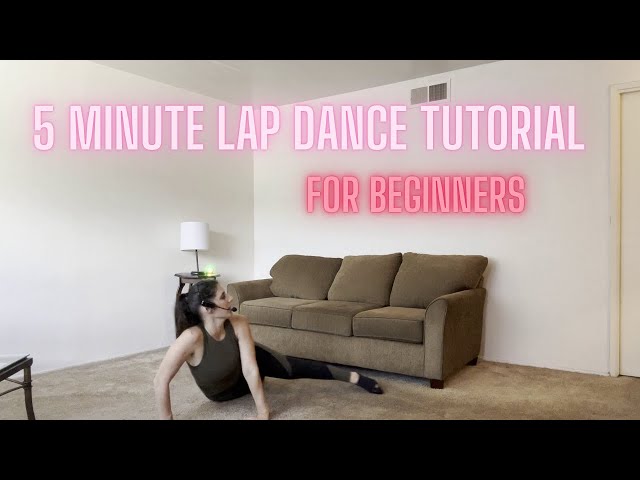
Setting the Scene Before You Start
Environment does half the work for you. As practical guides recommend, start by choosing a sturdy chair without arms and placing it in the centre of the room. Dim the lights or use candles. Pick two or three songs that make you feel confident and sensual rather than songs you think sound sexy. Your comfort with the music directly affects how natural your movements feel. Clear the space around the chair so you can move freely without bumping into furniture.
What you wear matters just as much as the setting. Choose something that makes you feel attractive and allows easy movement. Layers work well because removing them slowly adds tension. How to give a lap dance starts long before any physical contact. The anticipation you build through lighting, music, and outfit creates a charged atmosphere that makes every movement land harder once you begin.
Basic Moves That Build Confidence
You do not need a choreographed routine. A few simple moves performed with intention will feel far more powerful than anything complicated. As intimacy experts suggest, confidence and eye contact carry more weight than technical skill. Start with these foundational moves and let how to give a lap dance feel natural rather than rehearsed:
- Stand in front of your partner and sway your hips slowly to the beat. Let the rhythm guide you rather than forcing sharp movements.
- Turn around and lower yourself toward their lap gradually. Use your hands on their knees for balance and control.
- Roll your body in slow waves from your chest through your hips. Think fluid motion rather than isolated steps.
- Lean in close enough that your partner feels your breath on their neck, then pull back before making full contact.
- Run your hands through your own hair or down your body. Touching yourself confidently draws their attention exactly where you want it.
Practice these in front of a mirror once or twice beforehand. Familiarity removes the awkwardness and lets you focus entirely on your partner when the moment arrives.
Reading Your Partner and Adjusting in the Moment
The best lap dances feel like a conversation, not a performance. Pay attention to your partner’s breathing, body language, and facial expressions throughout. Quick breathing and leaning forward signals they want more intensity. Tension or pulling back means you should slow down or check in verbally. Seductive movement works best when both people feel comfortable and engaged rather than one person performing while the other passively watches.
Years of studying sexual dynamics taught me something that applies perfectly here. The people who give the best lap dances are never the best dancers. They are the best listeners. Noticing a sharp inhale. They catch a subtle shift in posture. They respond to what their partner’s body communicates without needing a word spoken. That attentiveness turns a fun moment into something genuinely unforgettable.
Set a simple ground rule before you begin. Let your partner know whether touching is allowed or whether they need to keep their hands at their sides. That boundary adds tension for both of you and keeps the power dynamic clear. How to give a lap dance becomes much easier when both people understand the rules, because the structure creates freedom rather than restriction. You move with more confidence when you know exactly what the boundaries are.
Turning a Lap Dance Into Foreplay
A lap dance already builds physical tension naturally. Letting it transition into foreplay requires nothing more than following that energy where it wants to go. Gradually increase contact as the dance progresses. Brush your lips against their neck. Let your hands rest on their chest a beat longer than before. The shift from performance to intimacy should feel seamless rather than like a switch flipping. Adding playful and sensual elements throughout keeps the mood loose and removes any pressure to perform a specific ending.
How to give a lap dance that leads somewhere memorable comes down to pacing. Rush the transition and the tension evaporates. Let it build too long and the energy plateaus. The sweet spot sits right at the moment where both of you stop thinking about what comes next and start acting on instinct. Trust that feeling. The dance gave you a head start on arousal, eye contact, and physical closeness. Everything after that point flows naturally when you stop choreographing and start responding to each other.

Key Takeaways
- Confidence and eye contact matter far more than technical dance ability or choreography.
- Setting the scene with lighting, music, and clothing builds anticipation before any movement begins.
- A few slow, intentional moves performed with presence outperform any complicated routine.
- Reading your partner’s body language turns a performance into a genuine two-way experience.
- Clear ground rules about touching create tension and give both people more freedom to enjoy the moment.
- Letting the dance transition naturally into foreplay keeps the energy building rather than breaking it.
Frequently Asked Questions
Do I need dance experience to give a good lap dance?
Not at all. Slow hip movements, body rolls, and confident eye contact carry a lap dance far more effectively than technical skill. Practise a few basic moves beforehand and focus on connecting with your partner rather than performing a routine.
What music works best for a lap dance?
Choose songs with a slow, steady beat that make you feel confident. R&B, downtempo electronic, and sensual pop all work well. The key is picking music you genuinely enjoy, because your comfort with the soundtrack shapes how natural your movements feel.
Should my partner touch me during the lap dance?
That depends entirely on your preference. Setting a clear rule beforehand adds tension and structure. Some people enjoy a no-touching rule that builds anticipation, while others prefer gradual contact as the dance progresses.
What should I wear for a lap dance?
Wear something that makes you feel attractive and allows easy movement. Layers add a teasing element because you can remove them slowly. Lingerie, a button-down shirt, or fitted clothing all work depending on your personal style and confidence level.
How long should a lap dance last?
Two to three songs is a comfortable range. That gives enough time to build tension without the energy dropping. If the moment naturally transitions into something more intimate before the music ends, follow that instinct rather than forcing yourself to finish a set.

Discover Tiffany’s journey! Sexologist, passionate writer, & educator exploring kink, sex, and pleasure. Enjoy her insightful reads on the Adultsmart blog!
