

Filming Pornography in Australia
Filming pornography in Australia is legal in many situations, but it is tightly regulated. Consent, age verification, workplace safety, and local laws all matter. Understanding how Australian law treats adult content helps creators and producers avoid serious legal and ethical mistakes before a camera is ever switched on.
Filming adult content in Australia sits at the intersection of creative work, personal freedom, and strict legal boundaries. While pornography itself is not illegal at a federal level, how it is produced, who is involved, and where it is distributed can quickly raise legal issues. Over the years, Australian states and territories have developed different approaches, which means rules are not always uniform. For anyone filming professionally or independently, this creates a landscape where assumptions can be risky.
From behind the camera, I’ve seen how much preparation goes into a lawful shoot compared to what people imagine. Filming pornography is treated more like a regulated production than a casual activity. Age checks, consent records, and safety planning are standard practice on legitimate sets. This article focuses on what filming pornography in Australia actually involves, separating myths from reality so creators understand both the responsibilities and the limits before getting started.
Table of Contents
Understanding the Definition and Scope
In Australia, pornography is generally understood as explicit material created for sexual arousal, but that broad idea becomes more specific once law is involved. Classification systems, state legislation, and criminal law all influence how adult content is defined and regulated. What is allowed to be filmed does not always match what can be distributed or sold, which is where many people get caught out.
Public summaries like the overview of pornography in Australia outline how adult content is treated differently across jurisdictions. Factors such as consent, depiction, and classification matter as much as the act of filming itself. Understanding this scope is the first step, because legality depends less on intention and more on compliance with clearly defined rules.
Legal Requirements for Producing Pornography
The legal side of filming pornography in Australia is where most mistakes happen. Consent must be explicit, informed, and documented, and every person involved must be over 18 with verified identification. These records are not optional. On professional sets, consent forms, ID copies, and performer agreements are standard, and they are kept securely in case questions arise later. Filming without this paperwork exposes creators to serious criminal and civil risk.
Location and content also matter. Filming in public places, shared rentals, or properties without permission can trigger additional offences unrelated to adult content itself. Workplace safety laws may apply if a crew is involved, and distribution can raise separate issues again. Legal breakdowns like this guide from Sydney Criminal Lawyers explain how producing adult material can cross into illegality when consent, age, or location rules are ignored. Treating a shoot as a regulated production rather than a casual recording is usually what keeps people on the right side of the law.
Behind the Scenes — What Happens on Set
A professional adult shoot looks far less chaotic than people expect. Before any filming begins, expectations are discussed in detail, including boundaries, comfort levels, and the ability to stop at any time. Performers are walked through the plan for the day, and nothing is assumed. This groundwork creates a calm environment where everyone knows what is happening and why.
Practical details take up most of the time. Lighting, sound, camera angles, and continuity are handled carefully, because poor setup can ruin a scene quickly. Consent is checked more than once, not just at the start. Breaks are common, and communication stays open throughout. From a crew perspective, professionalism is shown through pacing and respect, not pressure.
What separates ethical productions from risky ones is structure. Clear roles, written agreements, and a focus on safety protect everyone involved. When that structure is missing, problems tend to appear later, not during the filming itself. Experienced crews know that slowing down often leads to better outcomes, both legally and creatively.
Tips for New Videographers or Creators
For anyone new to filming adult content, the biggest mistake is rushing. Planning matters more than equipment, especially at the beginning. Clear conversations about boundaries, expectations, and consent should happen well before filming starts. Even if you are working with people you know personally, written agreements and ID checks protect everyone. Treating the process seriously from day one sets the tone for safer and more respectful work.
Many creators begin on a small scale, filming independently or with minimal crew. That can work, as long as legal and ethical standards are still followed. Guides like this one on making homemade porn show how important it is to think about privacy, storage, and future distribution before uploading anything. Once content exists, it is difficult to undo, so careful preparation is part of professional responsibility.
After more than a decade working behind the camera, the biggest lesson I’ve learned is that professionalism protects everyone. The shoots that run smoothly are the ones where consent is checked early, expectations are written down, and nobody feels rushed. When performers feel safe and respected, the work is better and the risks drop dramatically. Cutting corners might seem faster, but it’s usually what causes problems later.
How the Industry Is Changing in 2026
The adult industry in Australia is changing in ways that favour smaller crews and clearer boundaries. Independent creators are more visible, performers are more vocal about consent and conditions, and audiences are paying closer attention to authenticity. Technology has made filming easier, but it has also raised expectations around transparency and ethics.
There is also greater recognition of performers as professionals rather than anonymous talent. Articles highlighting performers, such as features on the hottest Australian pornstars in 2025, reflect a shift toward visibility and agency. As the industry moves forward, compliance, respect, and craft are becoming just as important as production quality.

Key Takeaways
- Filming pornography in Australia is legal in many cases but tightly regulated.
- Consent, age checks, and written records are mandatory, not optional.
- Location, safety, and distribution rules can create legal risk if ignored.
- Professional sets prioritise structure, pacing, and respect.
- Independent creators must plan for privacy and long-term impact.
FAQ
Is filming pornography legal in Australia?
Yes, in many situations. However, strict rules apply around consent, age verification, content, and location.
Do I need permits to film adult content?
Permits may be required depending on location and crew size. Filming in public or rented spaces often needs approval.
How is consent documented on professional sets?
Consent is recorded through signed agreements, ID verification, and clear discussions before filming begins.
Can amateurs sell adult content they film?
They can, provided all legal requirements are met and distribution laws are followed.
What happens if minors are involved?
Any involvement of minors is illegal and carries severe criminal penalties.
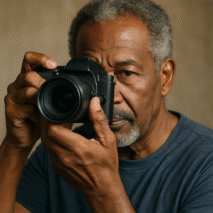
Kelly is a seasoned adult film videographer with over 10 years of experience with multiple studios behind the camera, known for his sharp eye and professional crew work.
